

Too Many Books #2 - The Cotswolds
You visit the resoundingly gorgeous Cotswolds, buy some books—too many—and come pretty close to having a breakdown in Bourton-on-the-Water.

Oh, the Cotswolds. To visit is to travel back in time.
Villages here are so immaculate and picturesque that they rival in beauty even that of the surrounding nature. Sand-coloured limestone, the primary medium used for its architecture, gives the area its distinct, almost fairy-tale look, be it vainglorious manor estates (of which there are many) or the ‘umble town chippy (fewer, but as essential to a town as its church 1).
It’s a rejuvenating place to be; a fine emollient for those, like you, weary-worn from dismal train journeys and technology-abundant spaces, questioning your entire life. When the world is feeling somewhat morose, seek out pretty things—it actually helps. It’s not, as it might sound, a frivolous pursuit but a necessary rebalance 2.
Two little goats are enclosed at the rear of the cabin you booked on Airbnb weeks earlier, a welcome surprise, for you don’t recall reading about them in the listing. When you pull the car up outside3 they come running excitedly to greet you, and it’s not because they intend to convince you to vote Reform, they just want their heads smoothed. You look next at a raft of ducks swimming the lake out front, going about their ducky business, inverting themselves occasionally, little webbed orange feet kicking air, and think none of these creatures has even heard of Bitcoin or ChatGPT. Incredible. Look how happy they are.
Elsewhere on the farm are more goats of varying size and hornedness, three woolly alpacas, a rather gormless-looking pig (bless him), plenty of sheep, cows, horses, Shetland ponies, and donkeys—not to mention the teeming wildlife, including shy Muntjac deer, rabbits, pheasants, grouse—all content to graze their grassy confines; none seem eager to discuss their innovative new web startups or sell you NFTs; none with smartphones playing TikTok reels at full volume.
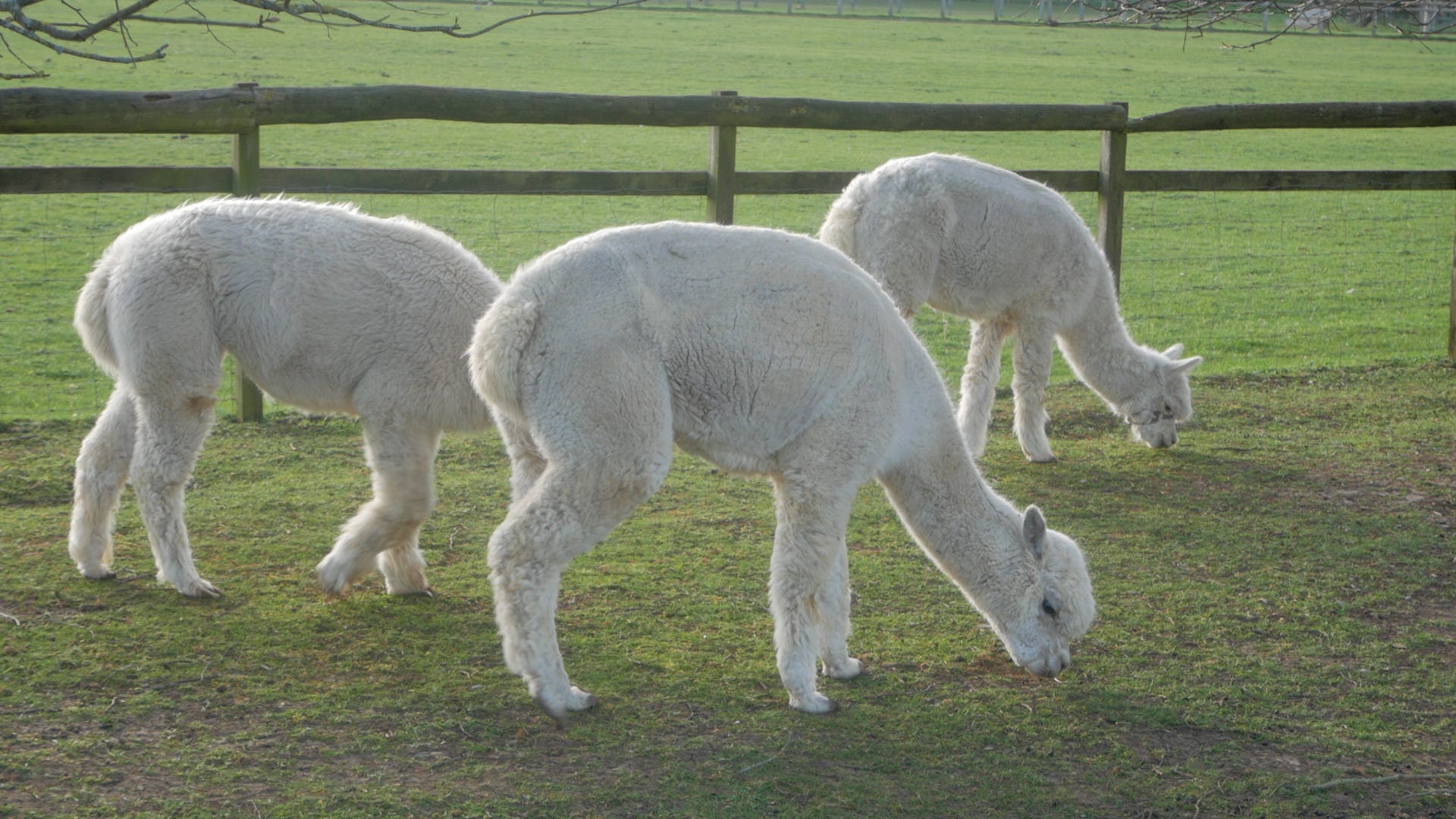
In other words: heaven.
Inside, the cabin is quaint and open-plan 4. It is also swelteringly hot, the considerate hosts having switched on the heating in advance of your arrival. There is a small television and DVD player, but no Wi-Fi, and mobile reception on the farm is abysmal. But it doesn’t matter. You’re here to connect with something else. You want to be beguiled by someplace new, yet also reassuringly old, steadfast even, and to forget everything else for a while.
You’re here, also, for books. And, having stopped at a couple of towns on the way in, you’re already up seven.
In Stroud’s Borderless Books, you picked up Transcription by Ben Lerner. You know nothing about the author, who looks in his jacket photo like he’s been caught impersonating Jonathan Franzen again out in the back yard, other than seeing some recent social media chatter about this, his latest book. But word online was too vague and noncommittal to gauge its favourability (or otherwise). So you took the rather slim yet intriguing volume to the till, to “lerner” little something about him.
A brief look inside Fireside Bookshop—because the parking was running out— yielded two: The Dalkey Archive by Flann O’Brien and The Silence by Don DeLillo. Given DeLillo is your favourite writer, you have already read The Silence. Not only that, you own two copies of it. You justified the purchase by telling yourself that those at home are UK editions, whereas this is the US one, therefore different.
At Oxfam Books in Cirencester, and for the jolly good price of one pound, you said yes to Marry Me by John Updike. You are currently reading another Updike, a later one, In The Beauty of the Lilies, which you brought along.
You initially left Waterstones empty-handed but, after a meal at a nearby eatery, headed back and bought three books: Beasts of England by Adam Biles, House of Splendid Isolation by Edna O’Brien and Drive Your Plow Over the Bones of the Dead by Olga Tokarczuk.
After scanning a charity shop’s DVD shelves, you come away with Tombstone and The Constant Gardener.
Excited to watch Tombstone that night, you insert the disc into the player, but the picture output is 4×3, cropped for widescreen. You cannot, despite much fiddling with the remote, find a way to adjust the frame, and, so, not overly keen to see the escapades of Wyatt Earp and Doc Holiday play out through the equivalent of a door’s open letterbox, you instead put on The Constant Gardener, which is no Tombstone.
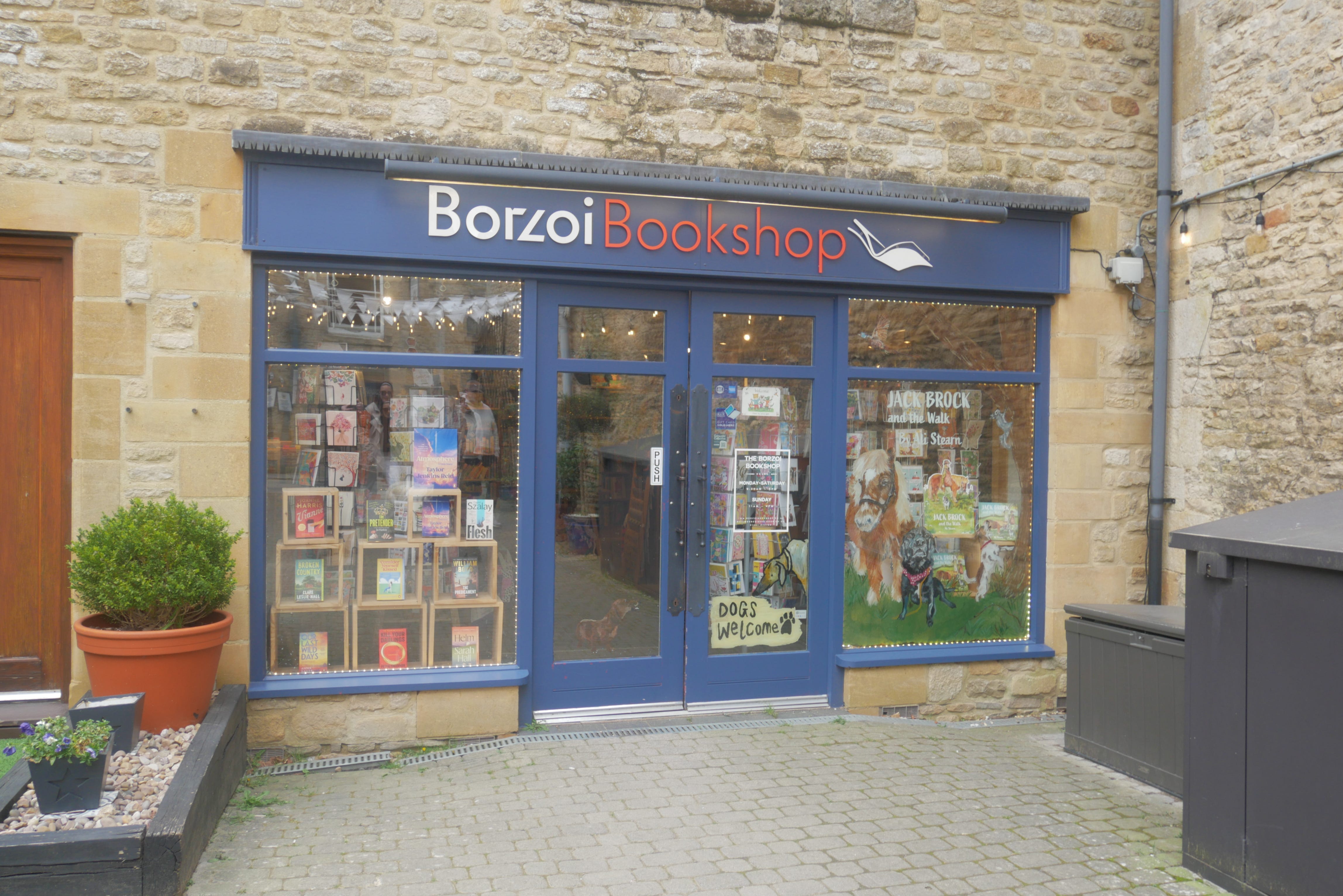
Next morning. Eggs Benedict and coffee at Sheep on Sheep Street, an Italian restaurant in Stow-on-the-Wold, are enthusiastically consumed while waiting for Borzoi Bookshop to open. When it does, you go in and, half an hour or so later, come out with Skyscraper by Benjamin Wood.
From the Children’s Air Ambulance charity shop’s bargain bin, you rescue The Modern American Novel by Malcolm Bradbury. You’ve never read Bradbury, whose most famous work, The History Man, sits atop a stack of unread books at home. Though not typically prone to superstition, the book’s arrival in the post coincided with some awful news, and you cannot (for no rational reason whatsoever) bring yourself to read it until the matter is remedied.
Driving to and wandering around these gorgeous Cotswold towns confirms it is a place that prioritises the independent seller over the conglomerate. There are, for instance, no McDonald’s or Pizza Huts, no mini Tescos or Costa or Gregg’s (least, you don’t spot any), and the place is largely absent of vape emporiums and mobile phone shops, which seem to dominate most modern high streets.
You expect to see more flat caps and suspenders worn by residents than you do, finding, instead, a bias toward brightly coloured polo shirts (popped collar optional), cropped chinos and designer daps. And while there are the odd tractor and Land Rover to be spotted, the prevailing modes of travel roaming its windy roads are Porsche 4×4’s and plasticky-looking Teslas. It could be that they are all, like you, tourists, or it could be your current unsociable bent, but it is, you confess, a minor let-down, this discordance between people and place.
Sensing a rise of negative thoughts in you again, despite all the arresting sights, makes you think you are just a miserable, pernickety sod. You are looking forward to getting back to the cabin later, thinking perhaps you’d crammed too much into this trip and hadn’t factored in what was most needed—rest.
This regrettable misanthropy flares only higher when a loud marketing guru enters the pub you’re dining in and begins to spout the usual bullshit in all the typical jargon to his patient and mostly unspeaking companion. He gives the lecture of his life to this poor woman, prognosticating swift declines for new, much talked about rival products in his field, for those companies don’t truly understand what they’re getting into. On and on he prattles about how the industry’s landscape is simply untraversable without an expert guide such as he, all the hidden and insidious bureaucratic underpinnings, mark my word this, flash in the pan that, blah blah blah . . .
It is when you arrive at the next destination that this rotten mood reaches its zenith. By most measures, Bourton-on-the-Water is, in an area renowned for its spectacular beauty, the most spectacular of them all. The “Venice of the Cotswolds”, it is cutely referred, for the pristine river bisecting it, crossed by handsome stone bridges.
A “must-visit”, they insist, and so you do. Entering the town, a cheery sign-holder beckons you to turn left for all-day parking, and so you do. Further smock-wearing individuals direct you through an empty school’s gates. Go this way, they gesture, and so you do. Another, holding a roll of ticket stubs near a sign that reads, “Parking, £6”—Six bloody pounds!—approaches the car, smiling. There are other similarly swindled cars in line behind you. With no easy opportunities to turn around, you are all trapped. The ticket-woman, still smiling remorselessly, explains the system, then asks you to give them the six pounds, and so you do.
People everywhere. Swarms. You cannot see anything but people. Heads. Bodies. Cameras. Walking sticks. You look left and down, where a small girl is holding a telephoto lens that’s bigger than her. In front of you, oncoming old folks, who are moving in the opposite direction to most people in this hideous, shoulder-to-shoulder procession. Along the bridges, people are posing for photographs. They do not take a single snap and move on, but remain there, not satisfied until they’ve struck every pose in their arsenal. Everybody everywhere is taking photographs, but of what you cannot see, only imagine. If you squint past the horde, you’re able, in brief glimmers, to spy the famous water of which Bourton is on. The river, you estimate, is perhaps two feet deep, not a rock out of place. It looks human-engineered, as if freshly dug out using heavy plant machinery and, if you were to follow the water upstream, like you’d find a large tap dispensing it.
Whatever virtues this place may hold are no longer possible to glean. (This is the rather cynical thought you have as you return to the car.) They have been robbed by their own popularity. You check your watch as you get inside to find you only managed thirty-five minutes.
The next and last day of your trip to the Cotswolds begins with a final walk around the farm and woodlands. You say goodbye to the friendly animals, then pack up and hit the road.
You spend hours at the Cotswold Wildlife Park (much longer than you expected to), before stopping into Burford for food and to look around the Mad Hatter Bookshop, where you buy The Years by Annie Ernaux and The News from Dublin, Colm Tóibín’s latest. Colm is one of those writers whose work you haven’t read a ton, but you just enjoy hearing him speak. For a big, looming fellow, he has a soft, whispery voice and, with that euphonious Irish lilt, you can listen to him talk about books, the craft, other writers, endlessly.
Before returning home, you head back to Stroud to visit its eponymous bookshop, which you missed on the journey in. Not wanting to break the streak of purchasing at least one book from each shop you visit, you come across a Karl Ove Knausgaard book you hadn’t heard of before, A Time For Everything, which makes it into your tote bag, along with The Land in Winter by Andrew Miller.
Thirteen Books.
Perhaps even more so, bountiful with mini-miracles as they are: where eggs are transformed into pickled eggs; where our saveloy was battered and crucifried for our dins. Praise Cod!
There was a video game called Eternal Darkness: Sanity’s Requiem for the Nintendo GameCube you loved and played over and over again. In it, playable characters had a “sanity meter”, which depleted each time they encountered disturbing, inhuman aberrations. This meter had to be replenished frequently using magical incantations for, if it were allowed to drop too low, your character would go insane, seeing and hearing all manner of unsettling things, which would not only terrify them (and you) but also begin to impact their physical health.
The real world, you think, isn’t really that much different. Sure, there are no rotting, undead beasts with a single-minded desire to make those living, not, but there is so much rudeness, selfishness and callousness abound that, with prolonged exposure to it, your own sanity meter needs an occasional topping-up. There are unfortunately no magical incantations that work for you, and while whisky is a swift and effective solution, it’s not really something you’d want to rely on long term. The best melioration is an escape: to a place, preferably, whose main architect was Mother Nature herself.
As you write this, you receive a call from an unknown number. You decide to answer it for some reason. The caller asks if you just called them. You say no, and then they just hang up on you.
The collective “you” for you cannot drive.
The code for the key—for you always opt for self check-in—is 1984, which must, surely, be a wry wink from some benevolent spirit.
I lived around there once. In Cranham. My parents had a pub there. It had a trapdoor under a phone box leading to a smugglers den.